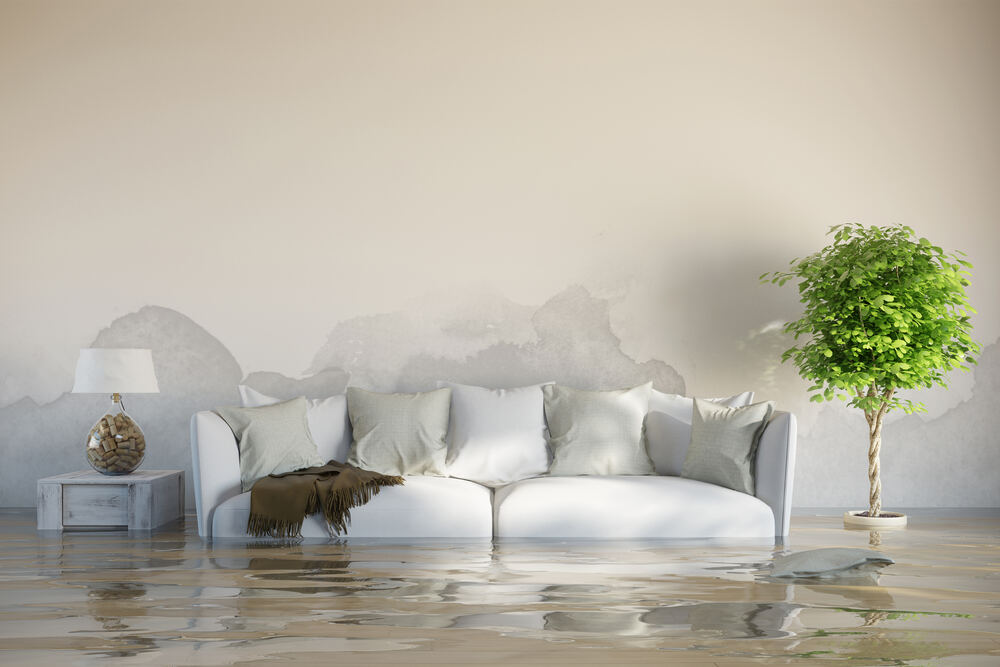
Water damage can strike at any moment, whether caused by an air handler condensate overflow, a burst supply line, heavy squalls, or a plumbing failure. When faced with sudden water intrusion in your home or business, acting quickly and methodically is critical to protecting structural building materials and preventing rapid microbial growth in Florida's humid climate.
Step 1: Turn Off the Water Source
The first step is stopping the flow of water immediately. If the issue stems from an indoor plumbing break or fixture failure, locate your property's main water shut-off valve and turn it off completely to halt incoming water.
Step 2: Ensure Safety First
Before stepping into standing water, ensure your environment is safe. Turn off electricity to affected rooms at the breaker panel if water levels threaten outlets or electrical appliances. If the intrusion is severe or poses structural or electrical hazards, evacuate the area and contact a qualified water damage restoration specialist.
Step 3: Document the Damage
Before removing items or tearing out soaked trim, take thorough photos and videos detailing all affected areas, furniture, and building components. Clear documentation is vital when filing a claim with your property insurance carrier, especially since many Florida policies carry specific moisture limits or mold sublimits.
Step 4: Remove Excess Standing Water
Extract standing water as rapidly as possible using wet-dry vacuums, pumps, and absorbent towels. Standing water quickly seeps under baseboards, saturates subflooring, and accelerates the growth of mold within hidden wall cavities.
Step 5: Dry Out the Affected Area with Dehumidification
Thorough drying requires lowering the indoor relative humidity. In Florida, opening windows often pulls in heavy, moisture-laden outdoor air. Keep windows closed and utilize commercial-grade air movers, air conditioning, and dehumidifiers to pull moisture out of the air and porous building assemblies.
Step 6: Remove Saturated Porous Materials
Materials such as wet carpet padding, wet drywall, and saturated fiberglass insulation act like sponges. If they cannot be dried rapidly within 24 to 48 hours, they should be carefully cut away and discarded to eliminate breeding grounds for bacterial and fungal growth.
Step 7: Clean and Disinfect Surfaces
Once bulk water and unrecoverable materials are removed, sanitize hard, non-porous surfaces using EPA-registered antimicrobial disinfectants. Thorough cleaning reduces microbial reservoirs before reconstruction begins.
Step 8: Inspect for Hidden Moisture and Mold
Water travels along sill plates and behind drywall where the naked eye cannot see. Schedule a professional moisture assessment and mold inspection to verify that structural framing is down to normal dry standards and free of hidden microbial colonization.
Step 9: Restore and Repair Structural Components
Reconstruction should only begin once moisture meter readings confirm framing, subfloors, and concrete are completely dry. Once cleared, you can safely hang new drywall, replace trim, and reinstall flooring without trapping hidden moisture inside the wall envelope.
Step 10: Contact a Licensed Professional
Navigating emergency water intrusion can be daunting, but you do not have to tackle it alone. Ahold of Mold Environmental has been family-owned and operated since 1996, holding state licenses for both mold assessment (MRSA3074) and mold remediation (MRSR4581). Whether you are located in Central Florida (Volusia, Flagler, and Brevard counties) or need service in Fort Lauderdale and Broward County, our team brings decades of precision moisture diagnostics and restorative care to your property.
Contact Us Today
Do not allow water intrusion to turn into widespread mold contamination. Contact Ahold of Mold Environmental today to schedule a moisture inspection, assessment, or remediation plan for your home or commercial building.