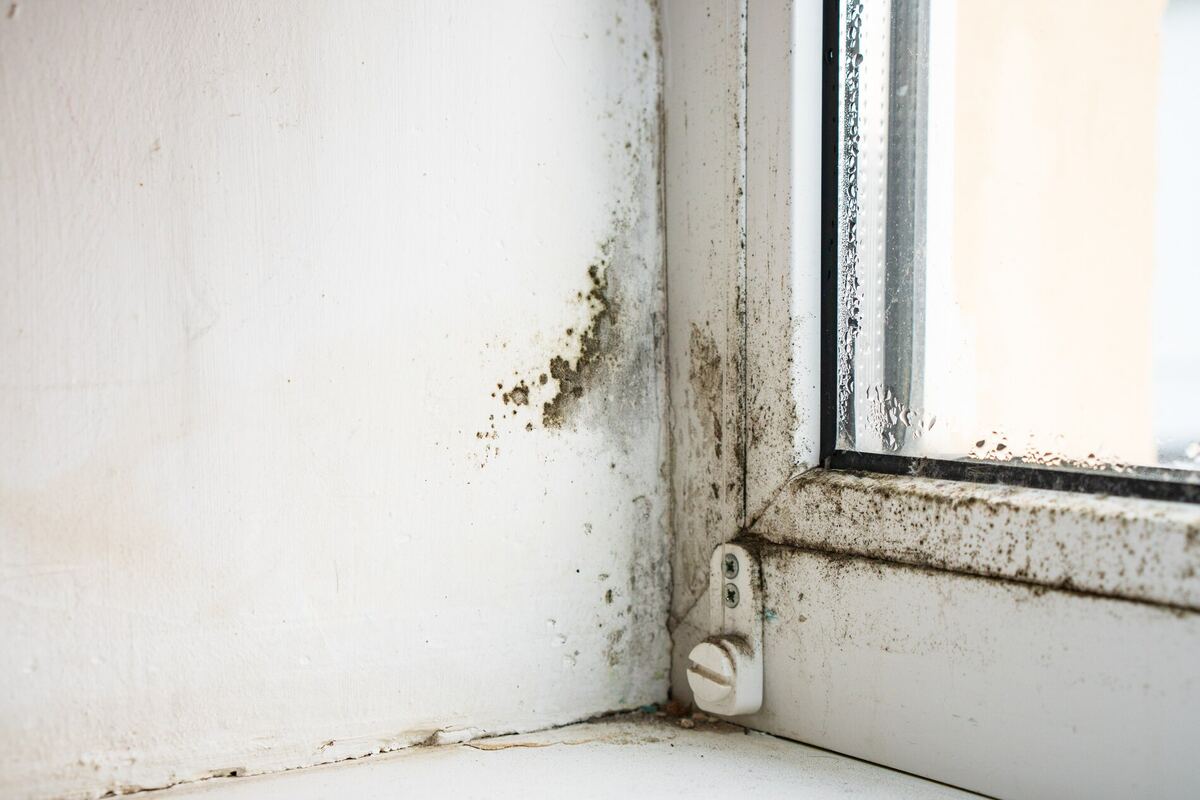
Water damage can strike when least expected, and when it does, one of the first questions property owners ask is, “Does homeowners insurance cover water damage?” In Florida’s humid climate, that question is especially critical because moisture quickly fosters mold growth behind drywall, baseboards, and cabinetry.
Understanding the Basics of Water Damage Coverage
Homeowners insurance provides protection against specific covered perils, but coverage depends heavily on the origin and duration of the moisture problem. Here is how insurers typically distinguish water events:
- Sudden and Accidental Water Damage: Most standard policies cover sudden, unforeseen interior water discharges. If a supply line ruptures under a sink or a water heater tank splits unexpectedly, the resulting water mitigation and property repairs are generally eligible for coverage.
- Gradual Water Damage: Policies routinely exclude damage resulting from ongoing seepage, unresolved humidity, or long-term neglect. If an air conditioning condensate line or shower pan has leaked slowly over several months, an insurer may deny the claim as routine maintenance.
- Rising Water and Flood Damage: In Florida, storm surge and overland flooding from severe tropical weather are excluded under standard HO-3 and HO-6 policies. Homeowners must carry a separate policy through the National Flood Insurance Program (NFIP) or a private flood carrier to protect against rising outdoor waters.
- Sewer and Drain Backups: Backups through municipal sewers or drain lines typically require a specific endorsement added to your policy.
Does Insurance Cover Water Damage from Internal Leaks?
Internal plumbing failures—such as burst copper pipes, failed braided supply lines, or sudden water heater ruptures—are standard examples of covered events when they happen without warning. In these scenarios, policies generally pay for structural dry-out, flooring replacement, and drywall repairs resulting from the discharge.
What Is Typically Covered:
- Water damage from sudden pipe bursts or plumbing failures
- Water damage caused by sudden appliance failures (washing machine lines, water heaters)
- Sudden overflows from malfunctioning HVAC drain pans (depending on policy language)
What Is Generally Not Covered:
- Damage resulting from age, corrosion, or deferred maintenance
- Repair or replacement of the failed appliance or pipe itself (insurers cover the resultant damage, not the plumbing repair)
- Chronic roof or window leaks that developed over extended periods
Mold Remediation and Florida Policy Sublimits
In warm coastal and subtropical environments, mold can colonize moist building materials in as little as 24 to 48 hours. When water damage occurs, professional water damage restoration is essential to prevent secondary microbial growth.
If mold does develop following a covered water loss, your policy may help cover the cost of cleanup, but Florida policies commonly carry a strict mold sublimit—often capped at $10,000 for total testing and remediation expenses. Florida law (Chapter 468 Part XVI) also requires that mold assessment and remediation be performed by separate, independently licensed entities to avoid conflicts of interest. When hiring professionals, verify their state licenses for mold testing (MRSA) and mold remediation (MRSR).
How to File a Water Damage Claim
If your home suffers significant water intrusion, taking prompt, organized action protects both your structure and your insurance claim:
- Stop the Source: Shut off your main water valve immediately to prevent additional water from entering the structure.
- Document Everything: Photograph and video standing water, damaged personal belongings, wet drywall, and structural elements before drying begins.
- Mitigate Promptly: Policy conditions require homeowners to make reasonable efforts to mitigate losses. Contact a qualified drying firm immediately to begin extraction and dehumidification.
- Report the Claim: Contact your carrier or agent to report the date and cause of the loss. Keep a detailed log of claim numbers, adjusters, and correspondence.
- Retain Invoices: Keep copies of all emergency service contracts, moisture readings, drying logs, and disposal manifests for your adjuster.
Preventive Steps to Protect Your Florida Home
Proactive maintenance minimizes the risk of sudden leaks and the costly insurance disputes that can follow:
- Inspect Supply Lines: Replace plastic appliance lines with braided stainless steel hoses on washing machines, toilets, and ice makers.
- Maintain Your HVAC System: Flush air conditioning condensate lines regularly with vinegar or approved drain tablets to avoid pan overflows, and install float switches that automatically shut off the system if the drain clogs.
- Monitor Indoor Humidity: Keep indoor relative humidity below 50–55% year-round to prevent moisture buildup that encourages mold growth.
- Schedule Home Inspections: If you suspect hidden moisture or musty odors behind walls, schedule a professional healthy home assessment to evaluate structural moisture and air quality before issues escalate.
Professional Moisture and Mold Solutions
Ahold of Mold Environmental has delivered licensed, comprehensive indoor environmental services since 1996. Holding dual state credentials as a licensed Mold Assessor (MRSA3074) and Mold Remediator (MRSR4581), our family-owned company assists property owners throughout Central Florida (Volusia, Flagler, and Brevard counties) and South Florida (Broward County and Fort Lauderdale).
Whether you need diagnostic moisture mapping after an appliance failure or protocol development following a storm, our team provides clear, objective assessments to help restore a clean and healthy indoor environment. If you are experiencing water damage or suspect hidden moisture in your property, contact Ahold of Mold Environmental today to speak with a licensed specialist.