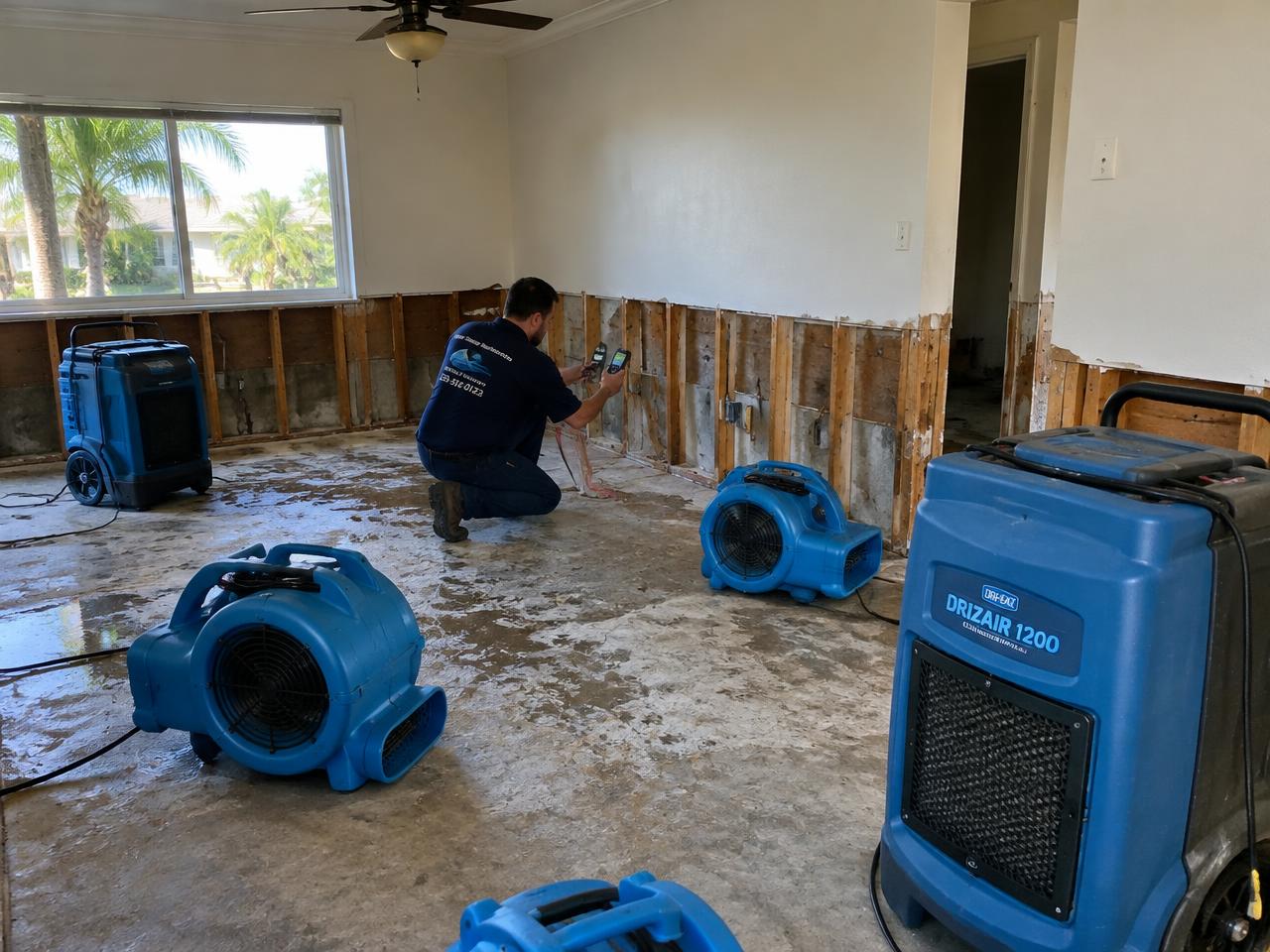
Finding microbial growth in your home is stressful, especially when unexpected repair costs strain your budget. Many property owners want to know whether their policy will cover the cost of cleanup and repairs. In Florida, the answer depends on how the moisture originated, whether you carry a separate flood policy, and your specific policy language. Here is what to expect when reviewing your policy or speaking with your insurance adjuster.
Was the Mold Caused by a “Covered Peril”?
Your property insurance policy specifies a list of covered perils that trigger compensation for repairs. Because mold requires moisture to grow, coverage hinges directly on the source of the water intrusion.
In most standard Florida policies, water damage resulting from sudden and accidental events—such as an air conditioning condensate line suddenly rupturing or an appliance supply line bursting—is considered a covered peril. Prompt water damage restoration is critical in these situations to dry structural materials before spores have time to colonize.
It is equally important to check whether your policy includes a mold sublimit. In Florida, standard residential policies frequently cap remediation payouts at $10,000 for mold-related testing, tear-out, and cleanup, leaving any expenses beyond that cap to the property owner.
What if Mold Stems from a Storm or Natural Disaster?
Florida’s rainy season and severe tropical storms present unique coverage challenges. If strong winds rip shingles off your roof or break a window, allowing rain to enter and cause mold, your policy will often cover the resulting damage subject to your hurricane deductible.
However, standard homeowners policies explicitly exclude damage from rising external water, ground runoff, and storm surge. Mold caused by floodwaters requires a policy through the National Flood Insurance Program (NFIP) or a private flood carrier. If you live in coastal or low-lying areas across Central or South Florida, maintaining dedicated flood coverage is essential.
What Happens if Mold Is Caused by Deferred Maintenance?
If mold develops from long-standing plumbing leaks, failing caulking around a shower, or chronic humidity from an aging HVAC unit, insurance will almost certainly deny the claim. Insurers require homeowners to perform reasonable maintenance to prevent foreseeable damage.
To protect your property and avoid disputed claims, inspect appliances and plumbing connections regularly and run your air conditioner consistently to control indoor humidity levels.
If you suspect contamination after an unexpected water intrusion, scheduling professional mold testing or mold remediation with a state-licensed assessor and remediator is the best way to determine the extent of the problem and document findings. Whether your insurer covers your claim or you are handling repairs directly, contact Ahold of Mold Environmental for clear guidance and licensed remediation service across Florida.