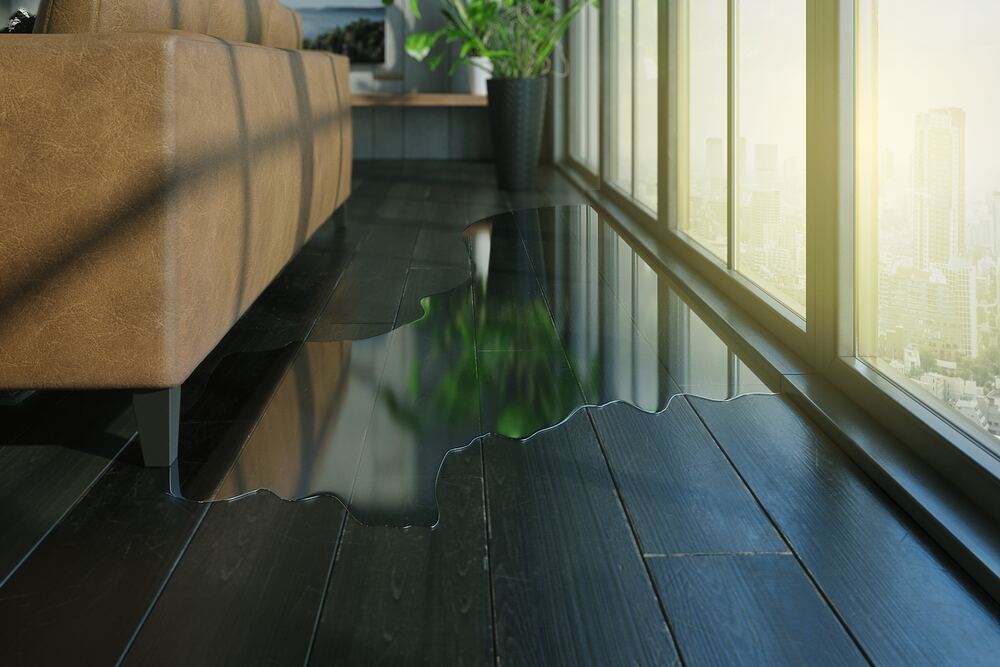
Water damage is a common challenge for property owners across Florida. Whether caused by an air conditioning condensate overflow, plumbing failure, roof leak, or severe tropical weather, unaddressed water intrusion can compromise building materials quickly. When dealing with standing water or damp building assemblies, property owners frequently weigh the cost of DIY cleanup against bringing in a qualified restoration team.
DIY Water Damage Repair: What to Consider
It is natural to consider handling cleanup independently to manage costs. While minor, localized spills on non-porous surfaces can be managed with household tools, several critical factors must be evaluated before taking on structural water cleanup yourself.
1. Assessing Hidden Moisture
Water follows gravity and capillary action, readily seeping beneath baseboards, into wall cavities, and under tile or laminate flooring. What appears dry on the surface may conceal saturated insulation and framing underneath. Without professional inspection tools such as thermal imaging cameras and calibrated moisture meters, DIY efforts often leave hidden moisture pockets undetected, creating conditions ripe for fungal growth.
2. Equipment Limitations in Humid Climates
Achieving structural drying in Florida requires more than opening windows or setting up box fans. High outdoor humidity prevents natural evaporation, and standard fans simply blow moist air across damp surfaces. Certified water damage restoration relies on industrial LGR (low-grain refrigerant) dehumidifiers and high-velocity air movers to draw bound moisture out of structural framing and drywall.
3. The Risk of Rapid Mold Growth
Florida's warm temperatures provide optimal conditions for microbial amplification. If wet drywall or carpeting is not completely dried within 24 to 48 hours, mold spores can proliferate rapidly. Attempting cleanup without proper containment can cross-contaminate unaffected rooms. If microbial growth has already begun, a licensed professional should handle containment and formal mold remediation under Florida Chapter 468 guidelines.
4. Labor and Proper Disposal
Water extraction and drying require significant physical labor, including lifting baseboards, drilling weep holes, or removing saturated drywall and pad. Improper disposal or delayed action extends drying times, escalating the scope of damage.
Advantages of Professional Water Damage Restoration
Hiring a licensed and equipped restoration company ensures that moisture is mitigated methodically according to industry standards, such as the IICRC S500.
1. Scientific Moisture Mapping
Trained technicians establish drying goals based on unaffected materials and systematically track relative humidity, temperature, and material moisture content until the structure reaches an acceptable dry standard.
2. Rapid Mitigation to Halt Secondary Damage
Because structural degradation and microbial activity accelerate by the hour, immediate extraction and dehumidification are crucial. Professional teams deploy high-capacity extractors and commercial drying equipment immediately to stabilize the environment.
3. Accurate Documentation for Insurance
Many Florida homeowners policies require policyholders to take reasonable steps to mitigate further losses, while often capping mold claims under a $10,000 sublimit. Restoration professionals provide thorough moisture mapping, dry logs, and photographic evidence to support your claims process.
When to Call in the Experts
While mopping up a minor kitchen spill is manageable on your own, you should immediately contact professional restoration contractors when facing:
- Water intrusion affecting multiple rooms, ceilings, or wall assemblies.
- Category 2 or Category 3 water sources, such as sewage backups, dishwasher discharges, or storm surge.
- Water that has remained unaddressed for longer than 24 hours.
- Visible fungal growth, persistent damp odors, or suspected contamination requiring professional mold testing.
- Signs of structural sagging in ceilings, bubbling drywall, or warped wood flooring.
Protect Your Property with Licensed Restoration
Ahold of Mold Environmental has provided trusted environmental assessments and remediation services since 1996. Our team holds dual state licenses (Mold Assessor MRSA3074 and Mold Remediator MRSR4581) to ensure your property is treated safely, correctly, and thoroughly. Whether you are dealing with an active leak or suspect lingering moisture, contact us today to schedule an assessment in Central Florida at (386) 492-1288 or South Florida at (954) 281-2666.