The sheer volume of damage water can inflict is substantial, and it is frequently underestimated by homeowners. While persistent humidity creates problems on its own, an acute event—such as a ruptured supply line, an air conditioning condensate overflow, or storm-driven rainwater—can escalate out of control within hours. Water intrusion ranks among the costliest property challenges in Florida because moisture travels along the path of least resistance, compromising building assemblies and inviting rapid microbial contamination.
This vulnerability is amplified by the porous, organic materials standard in residential construction. Drywall, baseboard backing, framing lumber, and carpet underlayment serve as primary food sources for fungi once wet. In Florida's warm indoor environments, dormant spores can germinate behind wallboards in as little as 24 to 48 hours. When structural assemblies remain saturated, materials often degrade beyond salvage, requiring professional water damage restoration and containment to prevent widespread contamination.
Restoration and remediation teams prioritize stopping water migration, evaluating structural stability, and initiating rapid dehumidification. Industrial air movers and commercial desiccant or LGR dehumidifiers are deployed to draw bound water out of structural framing. Applying EPA-registered antimicrobials to affected building elements helps suppress fungal growth while psychrometric conditions are brought back under control, ensuring your living space remains safe and sanitary.
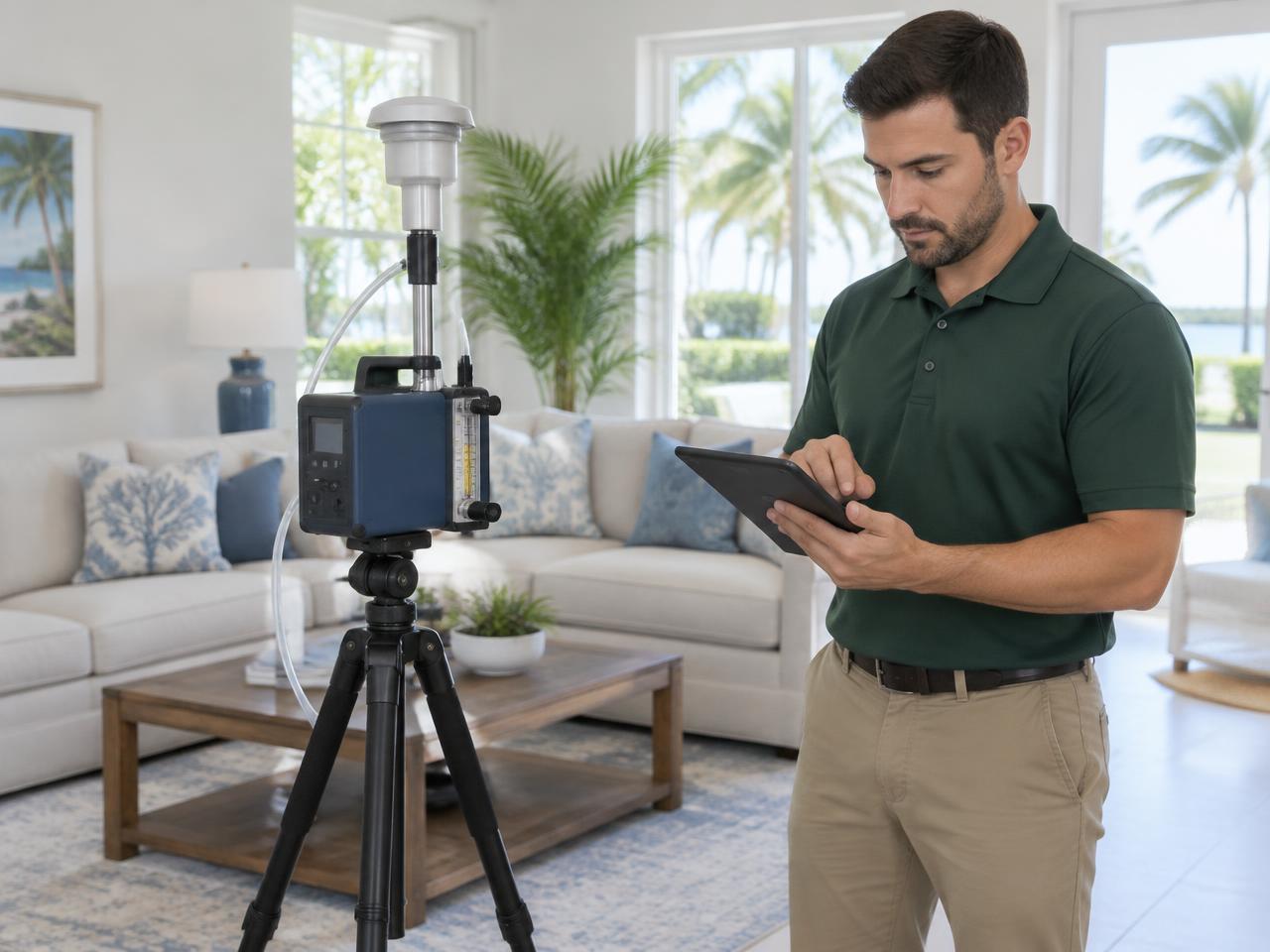
Before any repairs can begin, technicians must determine the full perimeter of moisture migration. Surface dryness is notoriously deceptive; water frequently pools beneath tile, behind vinyl baseboards, or inside insulation while exterior drywall feels dry to the touch. Technicians utilize non-invasive moisture meters and thermal imaging to map moisture levels accurately. If standing water remains, extraction equipment removes it immediately before high-volume drying begins.
If water is addressed quickly, salvageable flooring and framing can often be preserved. However, when drywall or cabinetry absorbs significant moisture or sits saturated for multiple days, controlled removal is usually necessary. If musty odors develop or microbial colonies are suspected, scheduling professional mold testing or licensed mold remediation under Florida Chapter 468 guidelines ensures that contaminated materials are safely removed without distributing spores into your HVAC system or adjacent living spaces.