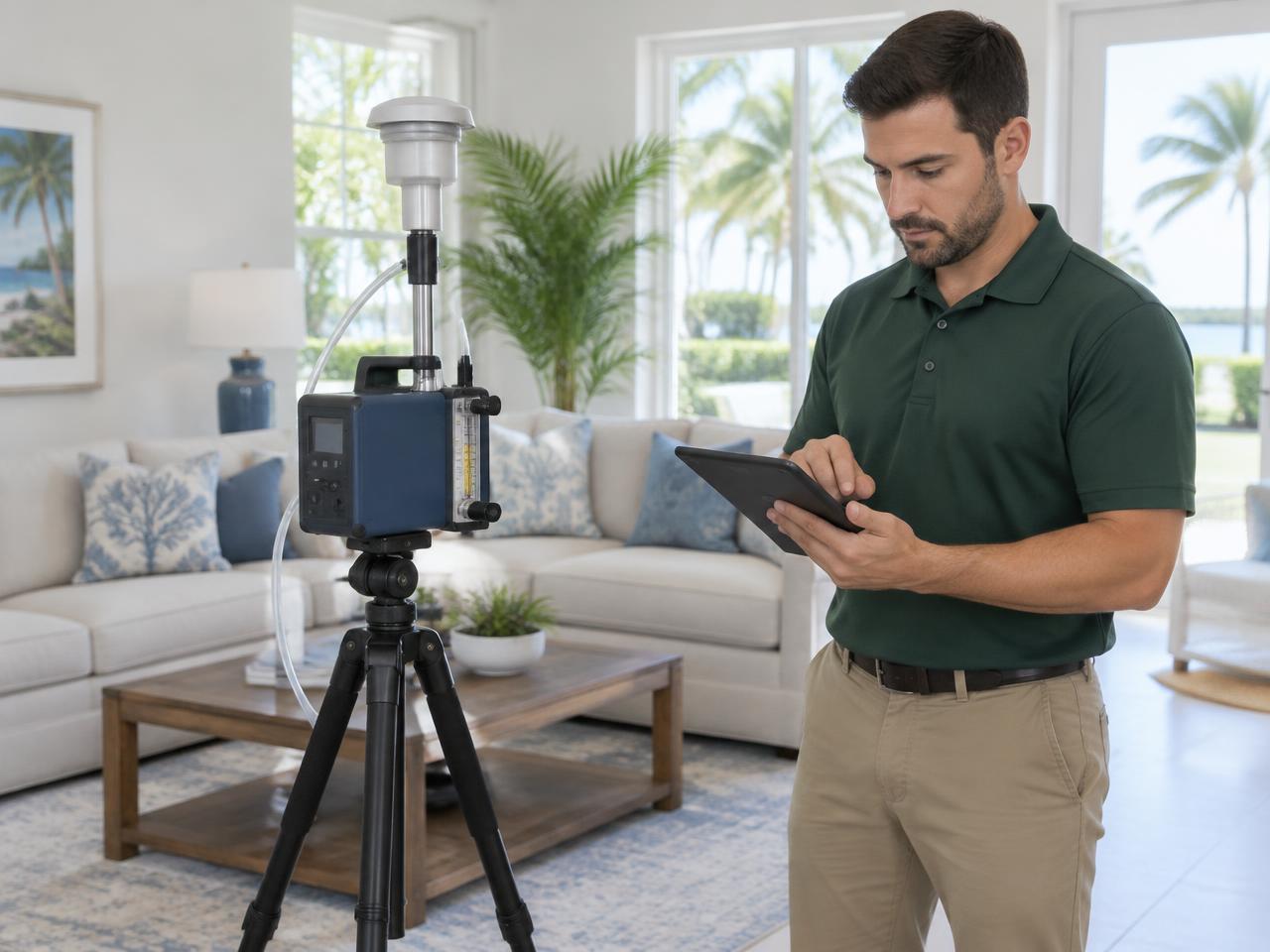
Whether you are a first-time homebuyer or looking at investment real estate in Florida, keeping an eye out for moisture and mold problems is vital. In Florida's subtropical climate, year-round humidity and frequent rain events make indoor moisture management a top concern. Left unchecked, mold can compromise building materials and diminish indoor air quality.
Before closing on a property, arranging a comprehensive professional mold inspection alongside your standard home inspection provides essential peace of mind. Here is an overview of what Florida buyers should know.
Why Mold Inspections Are Critical for Florida Buyers
Standard home inspections provide an excellent broad assessment of mechanical systems and structural soundness, but they rarely include comprehensive air sampling or deep diagnostic moisture intrusion assessments. Dedicated mold assessments uncover hidden growth before it turns into a disruptive financial burden.
These inspections typically combine visual evaluations with calibrated moisture readings and indoor air testing. In Florida properties, mold spores often colonize areas where high humidity or hidden condensation accumulates, including AC plenums, attics, crawl spaces, and interior drywall behind baseboards. Because air conditioning units run constantly across the state, any ductwork leak or drainage pan overflow can quickly lead to widespread mold issues hidden behind walls.
Catching these conditions before finalizing your purchase gives you the documentation needed to negotiate repairs, request escrow holdbacks, or require professional mold remediation conducted by a licensed contractor before closing.
When to Schedule a Home Mold Inspection
The most obvious trigger to schedule mold testing is seeing visible discoloration on walls, baseboards, or ceiling tiles during an open house or initial showing. However, visible growth is only one indicator. You should also request an inspection if you notice:
- Musty, damp odors in specific rooms or near the HVAC return vents.
- Evidence of past water damage, such as water stains, peeling paint, or warped flooring.
- The home sat vacant for weeks or months with the air conditioning turned off or set too high.
- The home has a history of roof leaks, plumbing repairs, or hurricane-related water intrusion.
Even without obvious signs, getting a mold inspection is a prudent step for any major real estate purchase. A home is often the largest financial investment you will ever make, and discovering extensive mold after closing can lead to unexpected out-of-pocket costs—especially since many Florida homeowners insurance policies include strict mold sublimits.
What to Expect During the Inspection
During a comprehensive inspection, a licensed inspector evaluates the entire structure using non-destructive diagnostic tools such as digital moisture meters and thermal imaging cameras. These tools locate hidden moisture pockets within building envelopes that standard inspections overlook.
Under Florida Chapter 468 Part XVI regulations, mold assessment and mold remediation must remain strictly independent to ensure unbiased results. An assessor documents any moisture sources, takes ambient and outdoor control air samples when necessary, and outlines clear recommendations if remediation is required.
Whether you are evaluating a coastal property in Fort Lauderdale or purchasing a home in Volusia or Flagler County, the team at Ahold of Mold Environmental brings decades of experience to your pre-purchase due diligence. Contact our team today to schedule an assessment and protect your future investment.