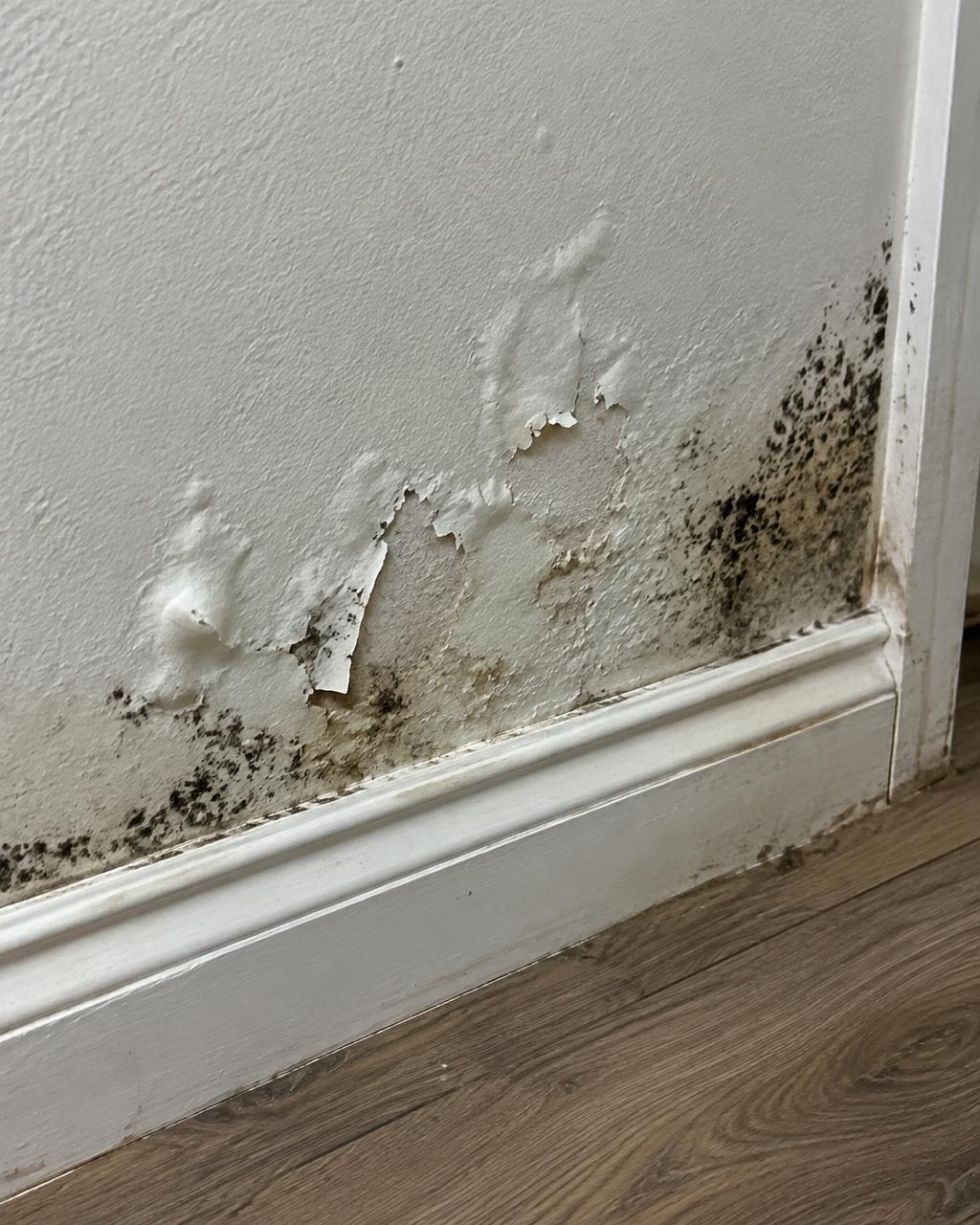
What Is Stachybotrys Chartarum?
Stachybotrys chartarum (also referred to by its synonym Stachybotrys atra) is a slow-growing, greenish-black mold. Unlike fast-colonizing species that survive on ambient moisture, Stachybotrys requires high-cellulose, low-nitrogen building materials (such as gypsum board paper, drop ceiling tiles, cardboard, and wood framing) that remain thoroughly saturated for days or weeks.
In Florida's humid environment, this level of sustained dampness typically stems from recurring pipe leaks behind bathroom walls, failing roofing membranes following heavy subtropical rain, or neglected condensation pan overflows near air handling units.
Should You Be Concerned About Indoor Mold Exposure?
Public health institutions, including the Institute of Medicine (IOM) and the World Health Organization (WHO), have documented that prolonged indoor dampness and mold exposure are associated with upper respiratory symptoms, such as coughing, wheezing, and aggravated asthma. Individuals with chronic respiratory diseases, mold allergies, or suppressed immune systems are generally more sensitive to elevated fungal particles.
From an indoor environmental perspective, all excessive mold growth—regardless of whether it is Stachybotrys, Aspergillus, Penicillium, or Cladosporium—indicates a building moisture defect that must be corrected. If building occupants experience persistent or unexplained respiratory issues, they should consult a medical professional.
How Does Mold Enter and Spread in Florida Properties?
Fungal spores naturally drift in outdoor air and enter homes through open doors, windows, and fresh-air ventilation intakes. Spores also cling to clothing, footwear, and pets. In South and Central Florida, outdoor spore counts remain active year-round due to warm temperatures and regular precipitation.
When spores settle on damp cellulose, germination begins. Common indoor breeding zones include:
- Wall cavities behind leaking shower pans or supply lines
- Drywall and baseboards surrounding leaking sliding glass doors
- Subflooring affected by unresolved water damage restoration emergencies
- Ceiling drywall beneath flat roofs or roof valleys damaged during storm season
Identifying Black Mold vs. Other Species
A common misconception is that any dark fungal patch on bathroom tile or an air conditioning vent is "toxic black mold." In reality, dark surface mold on non-porous surfaces like tile grout is frequently Cladosporium or harmless mildew caused by daily steam. Stachybotrys is much more likely to be found behind walls or on the hidden, paper-backed side of damp drywall.
To definitively establish what types of spores are present and whether elevated spore counts have entered living spaces, property owners can schedule professional mold testing. A licensed Florida mold assessor conducts physical inspections, moisture mapping, and air or surface sampling analyzed by an accredited environmental microbiology laboratory.
How to Clean and Remediate Contaminated Materials
Surface cleaning with mild detergent or an EPA-registered antimicrobial agent is often sufficient for small patches of mold on non-porous, hard surfaces (such as metal, glass, or glazed tile). However, bleach and surface wiping are ineffective on porous materials colonized by Stachybotrys.
When high-cellulose materials like drywall, acoustic ceiling tiles, insulation, or carpet padding absorb continuous water, the fungal hyphae grow into the material itself. These materials cannot be adequately cleaned and must be physically cut out, safely bagged, and discarded.
For areas larger than 10 contiguous square feet, Florida law (Chapter 468 Part XVI) mandates distinct licensing for mold assessment and mold remediation. Licensed remediators establish negative air pressure containment zones and run industrial HEPA air scrubbers to ensure that disturbed Stachybotrys spores do not cross-contaminate unaffected rooms during demolition.
Long-Term Prevention for Florida Homes
Preventing mold growth requires continuous moisture management. Practical steps for Florida homeowners include:
- Maintain Indoor Humidity: Keep indoor relative humidity between 30% and 50% (never exceeding 60%) using properly sized air conditioning and dedicated dehumidifiers.
- Inspect AC Systems: Regularly clean and inspect primary condensate drain lines and overflow pans to prevent line clogs and drip leaks.
- Ventilate Moist Rooms: Run exhaust fans during and after showers and while cooking, ensuring fans exhaust outdoors rather than into the attic.
- Address Leaks Promptly: Dry water leaks, window seepage, or plumbing spills within 24 to 48 hours to prevent spores from germinating.
If you suspect hidden water intrusion or observe expanding dark mold on drywall, contact our licensed team for an objective, science-based inspection across Central and South Florida.