Facing suspected black mold? Do not be misled—not all dark-colored mold is toxic. Far too many restoration companies rely on fear tactics when property owners discover dark staining. While Stachybotrys chartarum is indeed a toxigenic black mold, not every black fungal growth or surface mildew inside a home is dangerous. Color alone is never a reliable indicator of mold species or toxicity.
Accurate identification requires professional sample collection and analysis by an accredited environmental microbiology laboratory. True Stachybotrys requires elevated moisture levels—often sustained relative humidity or material dampness of 90 percent or greater—and colonizes hygroscopic, cellulose-rich materials. Common indoor substrates include drywall, paper facings, wicker, cardboard, and ceiling tiles. Notably, Stachybotrys does not feed on inorganic materials like clean plastic, vinyl, concrete, glass, ceramic tile, or bare metal, though species such as Penicillium or Aspergillus can settle on surface dust across those materials. In poorly ventilated Florida homes, crawl spaces, or enclosed utility rooms, trapped moisture quickly produces that recognizable musty odor.
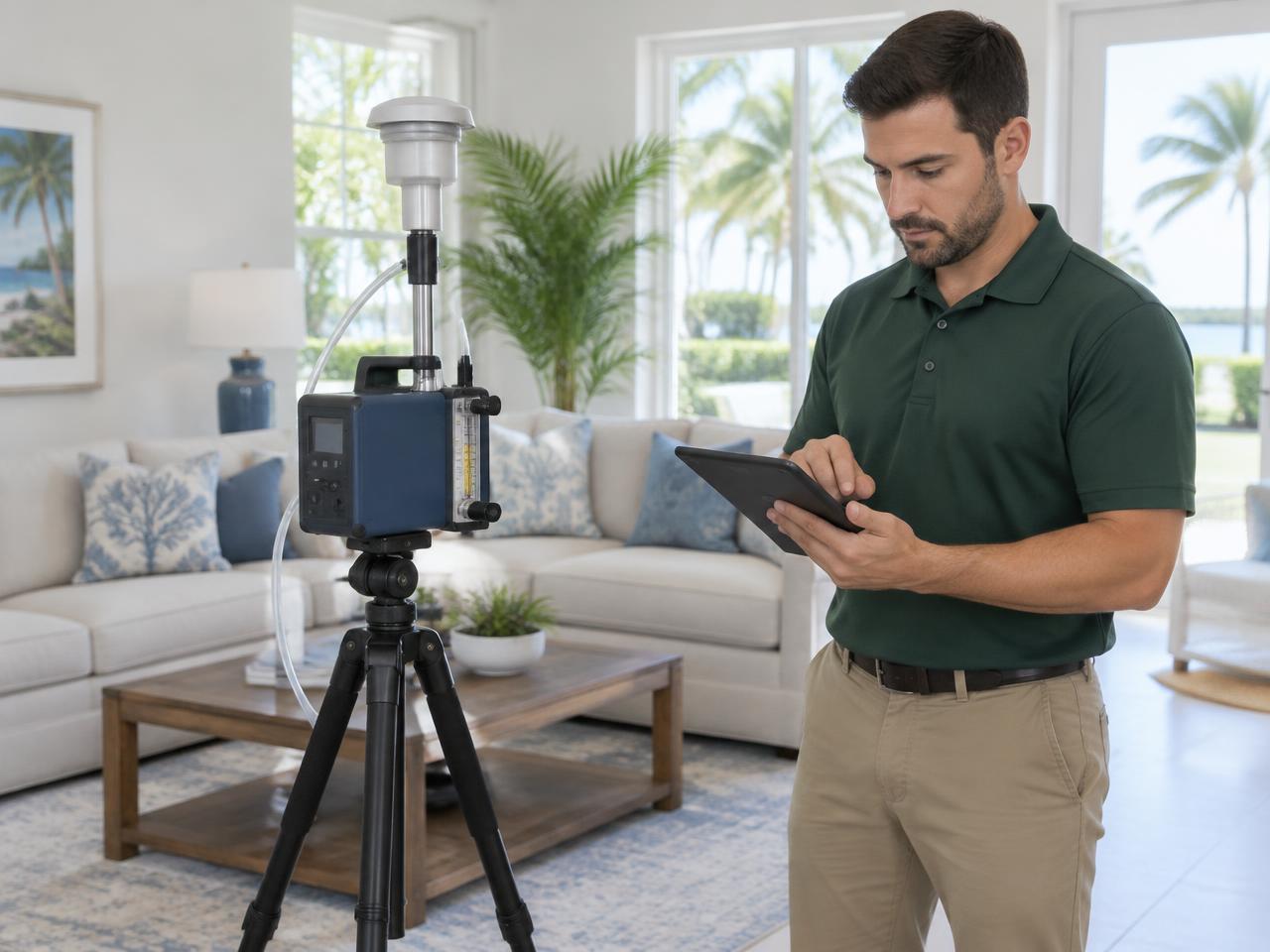
When toxigenic mold is present, it requires structured containment and protocols rather than guesswork. Attempting to scrub dry colonies with bleach or disturbing materials without containment can aerosolize millions of microscopic spores into the air, driving them into your HVAC system and unaffected living areas. Scheduling independent mold testing confirms the exact spore counts and species before any structural work begins.
If professional abatement is warranted, state-licensed mold remediation specialists use negative air pressure, HEPA filtration, and antimicrobial treatments to safely remove affected materials. In accordance with Florida Chapter 468 Part XVI mold licensing laws, assessment and remediation should maintain clear standards to protect property owners from conflicts of interest.
Family-owned and operated since 1996, Ahold of Mold Environmental provides licensed mold assessment (MRSA3074) and mold remediation (MRSR4581) services across Central Florida and South Florida. If you suspect active mold growth following a plumbing leak or tropical storm, rely on experienced professionals rather than alarming scare tactics.