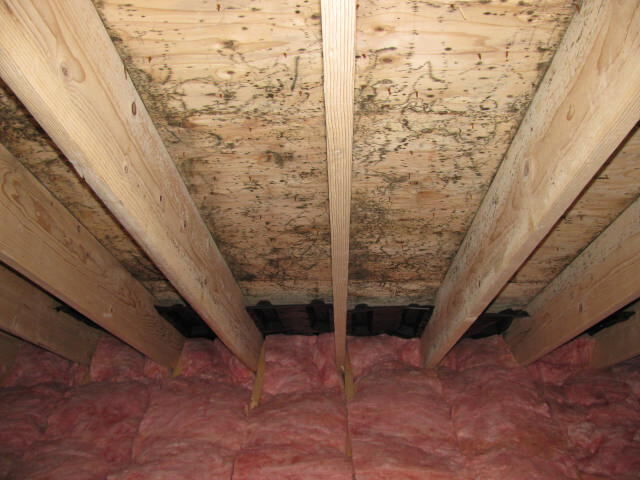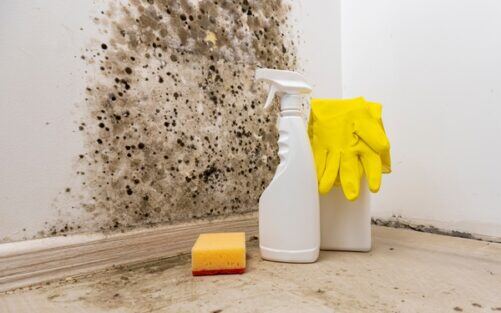
Simple Strategies for Understanding & Correcting Attic Mold
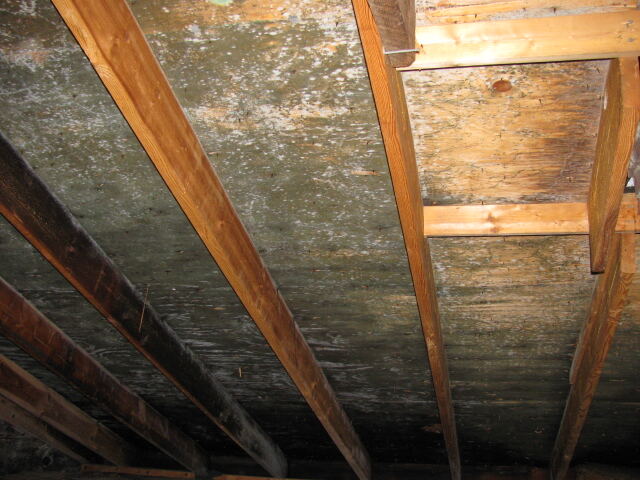
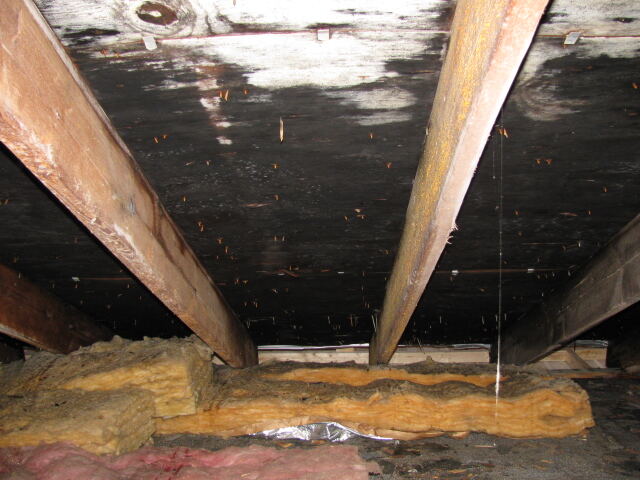
Attic mold is a frequent issue in Florida homes, where intense ambient humidity and severe rain events push roofing systems to their limits. Attic mold growth is generally attributable to four basic causes:
1) Lack of adequate ventilation or blocked soffit vents
2) Roof leaks, damaged shingles, or compromised flashing following tropical storms
3) Bathroom exhaust fans or dryer vents discharging humid air directly into the attic instead of outdoors
4) Leaking or poorly insulated air conditioning ductwork running through an unconditioned attic space
By far, the most common factor compounding attic mold is improper ventilation combined with moisture intrusion.
In Florida's subtropical climate, attics trap massive amounts of solar heat and humidity during the long rainy season. When humid outdoor air enters an attic that cannot breathe, relative humidity levels can easily exceed 70% for extended periods—creating ideal conditions for fungal growth on roof trusses, plywood sheathing, and ceiling joists. Common molds found in damp Florida attics include species of Cladosporium, Aspergillus, and Penicillium. Left unaddressed, persistent moisture can weaken roof decking and require structural water damage restoration.
How Attic Mold Growth Occurs in Humid Climates
In a properly ventilated home, outdoor air enters through the lower soffit vents and flows upward along the underside of the roof deck, venting harmlessly out through ridge vents or off-ridge exhausts. This steady convective airflow removes excess moisture and moderates attic humidity.
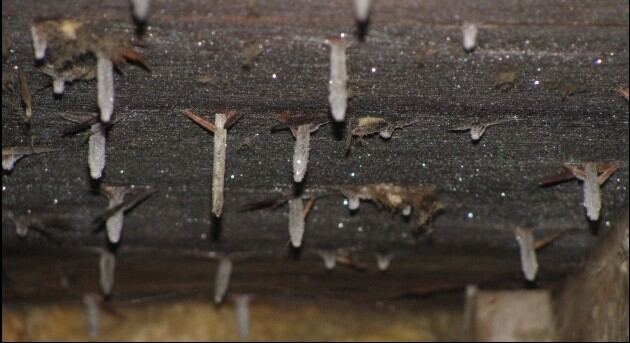
If, however, the attic is poorly vented, humid air becomes trapped. When cool air conditioning ducts run through this superheated, moist space, or when cold air leaks from damaged plenums, the warm attic air hits these cold surfaces and reaches its dew point. This causes heavy condensation to form on duct jackets, ceiling drywall, and adjacent framing nails. Over time, that recurring condensation sustains microbial colonies across the wood sheathing.
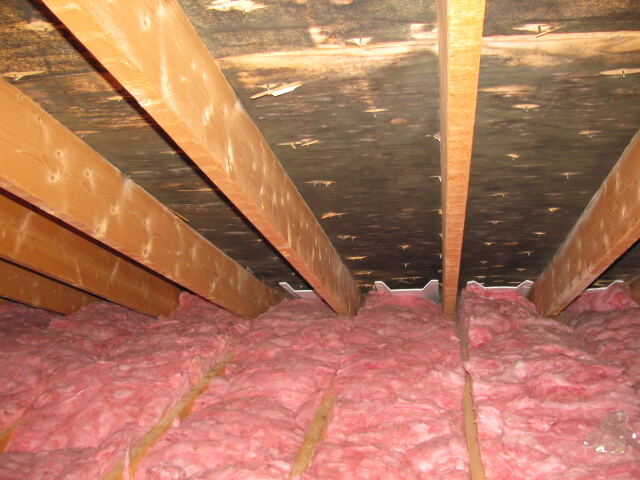
Common ventilation errors in Florida homes include blown-in insulation that blocks soffit baffles, or newly installed vinyl or aluminum soffits placed directly over unvented solid wood without intake holes cut behind them. An easy way to check your soffit vents is to enter the attic during daylight hours, turn off work lights, and look for daylight entering along the roof eaves. If you see dark rafter bays with no visible daylight, your soffit airflow may be obstructed. A licensed Florida mold assessor can evaluate your attic's ventilation and determine if a formal mold testing and assessment is needed.
Attic Mold Removal
There are many improvised "treatments" advertised for mold, but successful remediation requires specialized techniques. Mold spores proliferate quickly in humid conditions, anchoring deep into porous framing.
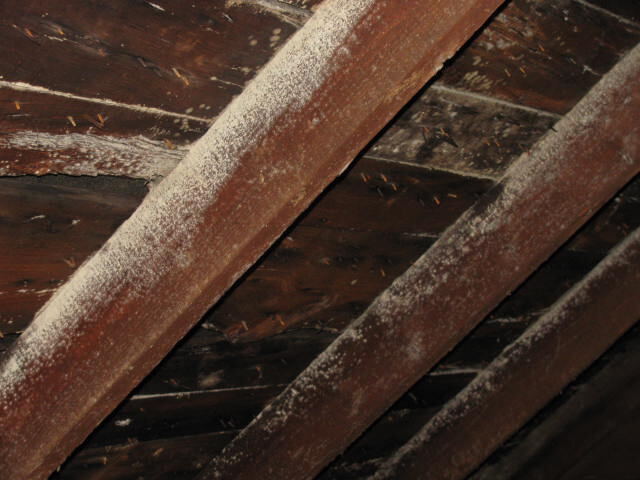
Mold feeds on the organic cellulose in plywood sheathing and wood ceiling joists. What is visible on the surface is only the reproductive fruiting body of the organism. Beneath that visible growth lie microscopic "roots" called hyphae, which often penetrate into wood substrates 3/16 of an inch or deeper. Treating only the surface of the wood leaves these roots intact, allowing colonies to rebound the moment humidity rises again.
A common mistake: Treating mold on porous wood with household bleach. Bleach has an ionic structure that prevents it from penetrating porous wood substrates, meaning it leaves the root network undamaged. In addition, the active chlorine evaporates quickly, leaving water behind on the wood that can accelerate future mold growth.
Our Mold Remediation Process
Under Florida law (Chapter 468, Part XVI), mold remediation must follow strict industry standards (such as IICRC S520) using licensed professionals (MRSR). Our step-by-step protocol includes:
Phase 1 – Prepping the Home & Containment
We isolate the attic access point from the living areas of the house using polyethylene containment barriers. We set up commercial HEPA-filtered air scrubbers to create negative air pressure, preventing loose spores from migrating down into bedrooms and hallways during cleaning. Protective floor coverings are laid along all access paths.
Phase 2 – HEPA Vacuuming & Surface Cleaning
Technicians physically remove heavy fungal growth using commercial HEPA-rated vacuums and EPA-registered antimicrobial cleaners. This removes bulk spore loads from rafters, trusses, and roof decking.
Phase 3 – Deep Substrate Treatment
To eliminate embedded root hyphae, we apply deep-penetrating fungicidal solutions formulated specifically for porous structural lumber. This step neutralizes the root structures that surface wiping alone cannot reach.
Phase 4 – Application of an Antimicrobial Encapsulant
Once the wood is thoroughly cleaned and dried, we apply a high-grade antimicrobial sealer to protect the framing against future humidity fluctuations. We avoid heavy white masking paints, which can peel over time or raise concerns during future real estate inspections. Instead, breathable, moisture-resistant sealers allow the wood to perform naturally while inhibiting re-growth.
If you suspect moisture problems or musty odors coming from your roof cavity, contact our licensed team to schedule a professional evaluation and discuss comprehensive mold remediation options.
Attic Mold Documentation