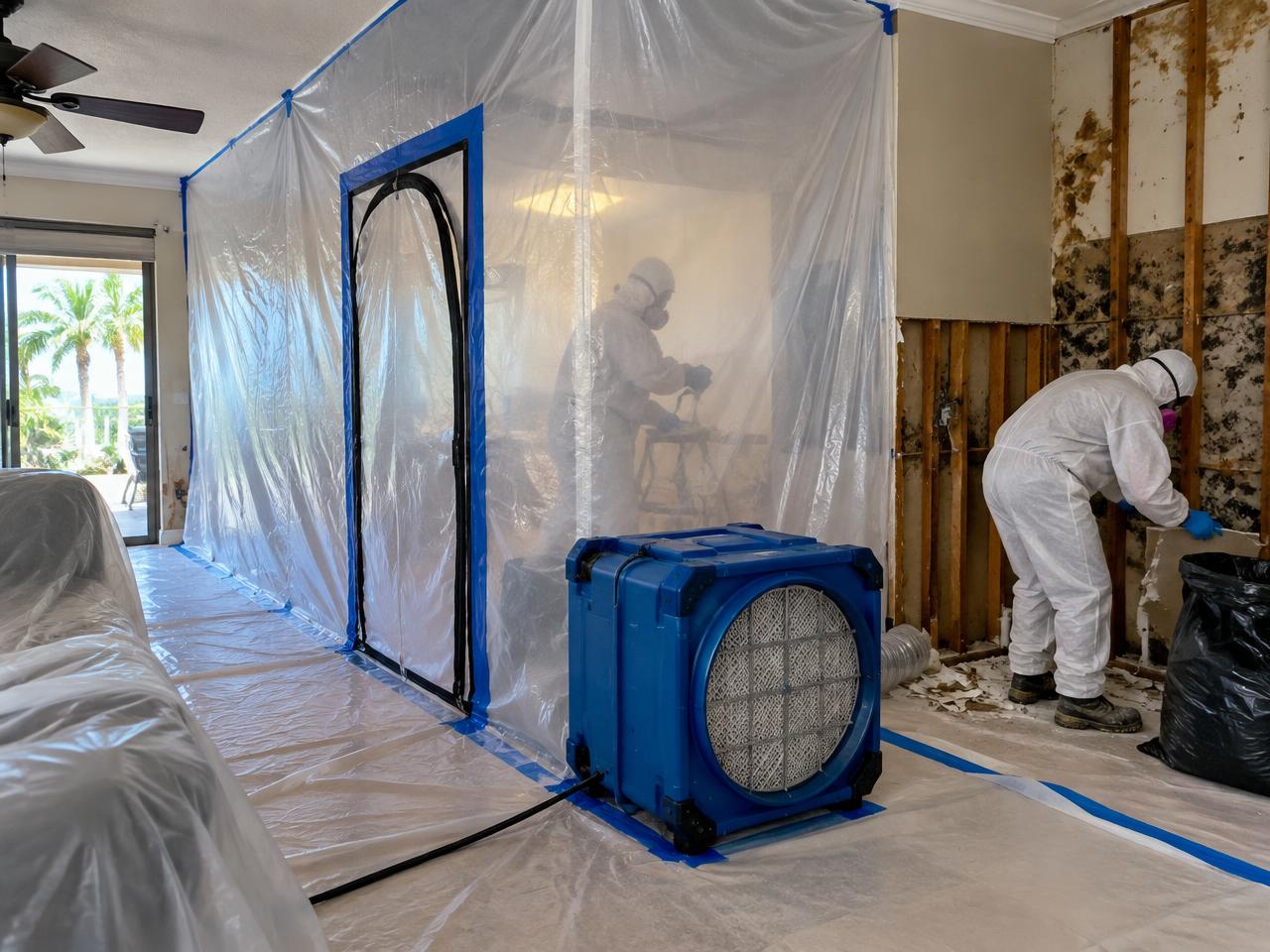
Asbestos remains a significant consideration for many older commercial buildings and residential properties throughout Florida. When older building materials deteriorate or undergo renovation, proper asbestos handling and removal protocols are essential to protect indoor environmental quality. If you suspect building materials in your property contain asbestos, consulting trained environmental specialists ensures the material is handled safely and in full compliance with state standards.
Understanding Asbestos in Building Materials
Asbestos was historically prized for its tensile strength, heat resistance, and insulating capabilities. While modern manufacturing phased out most asbestos-bearing products decades ago, materials installed prior to modern regulations often remain intact within older structures. Exposure typically occurs when these materials become friable—meaning they are crumbled, sanded, cut, or damaged during remodeling or repairs—allowing microscopic mineral fibers to drift into the indoor air.
Materials That Commonly Contain Asbestos in Florida
Throughout Central and South Florida, mid-century ranch homes, condominiums, and commercial facilities built before the 1980s frequently contain legacy materials. Common examples include:
- Acoustic "popcorn" ceiling textures and decorative plaster
- Vinyl composition floor tiles (especially vintage 9-by-9-inch tiles) and associated black mastic adhesives
- Drywall joint compounds and wall paneling adhesives
- Transite cement siding, shingles, and flue pipes
- Thermal insulation wrapped around older plumbing and HVAC ductwork
Because visual inspection alone cannot confirm the presence of asbestos, building owners should never disturb, scrape, or sand suspect materials on their own.
The Importance of Professional Handling
Disturbing asbestos without engineered controls can spread fibers through your heating and air conditioning system, contaminating multiple living areas. Certified environmental professionals use regulated containment procedures to manage hazardous building products safely. When planning major property updates or scheduling a healthy home assessment, identifying these building components before work begins protects occupants and contractors alike.
The Asbestos Testing and Removal Process
When suspected materials are identified, a certified professional collects small, controlled bulk samples using wet techniques to prevent airborne fiber release. These samples are analyzed by an accredited laboratory using polarized light microscopy (PLM) or transmission electron microscopy (TEM).
Depending on laboratory findings and material condition, specialists may recommend one of two primary pathways:
- Encapsulation: If the material is structurally sound and unlikely to be disturbed, it may be treated with an airtight sealant or enclosed behind a durable barrier to prevent fiber release.
- Abatement and Removal: When renovation, structural alteration, or active decay necessitates removal, contractors isolate the work zone with negative air pressure, plastic containment barriers, and continuous HEPA filtration. The materials are kept damp during removal, double-bagged in certified waste containers, and transported to an approved hazardous disposal site in accordance with Florida DEP regulations.
Storm Recovery and Indoor Air Quality
Following severe storms, high humidity, or pipe breaks, older building materials are often torn out quickly. Rushing into tear-outs without assessing legacy building materials can cross-contaminate a structure with both microbial growth and hazardous dust. Pairing safe containment practices with professional water damage restoration and thorough mold testing ensures your home or business recovers without compromising indoor safety.
Ensure a Safe Indoor Environment
Protecting your property requires knowledgeable assessment and careful containment. If you are planning repairs, addressing moisture damage, or evaluating older indoor spaces throughout our service areas, reach out to the experienced team at Ahold of Mold Environmental for comprehensive indoor air quality solutions and environmental guidance.