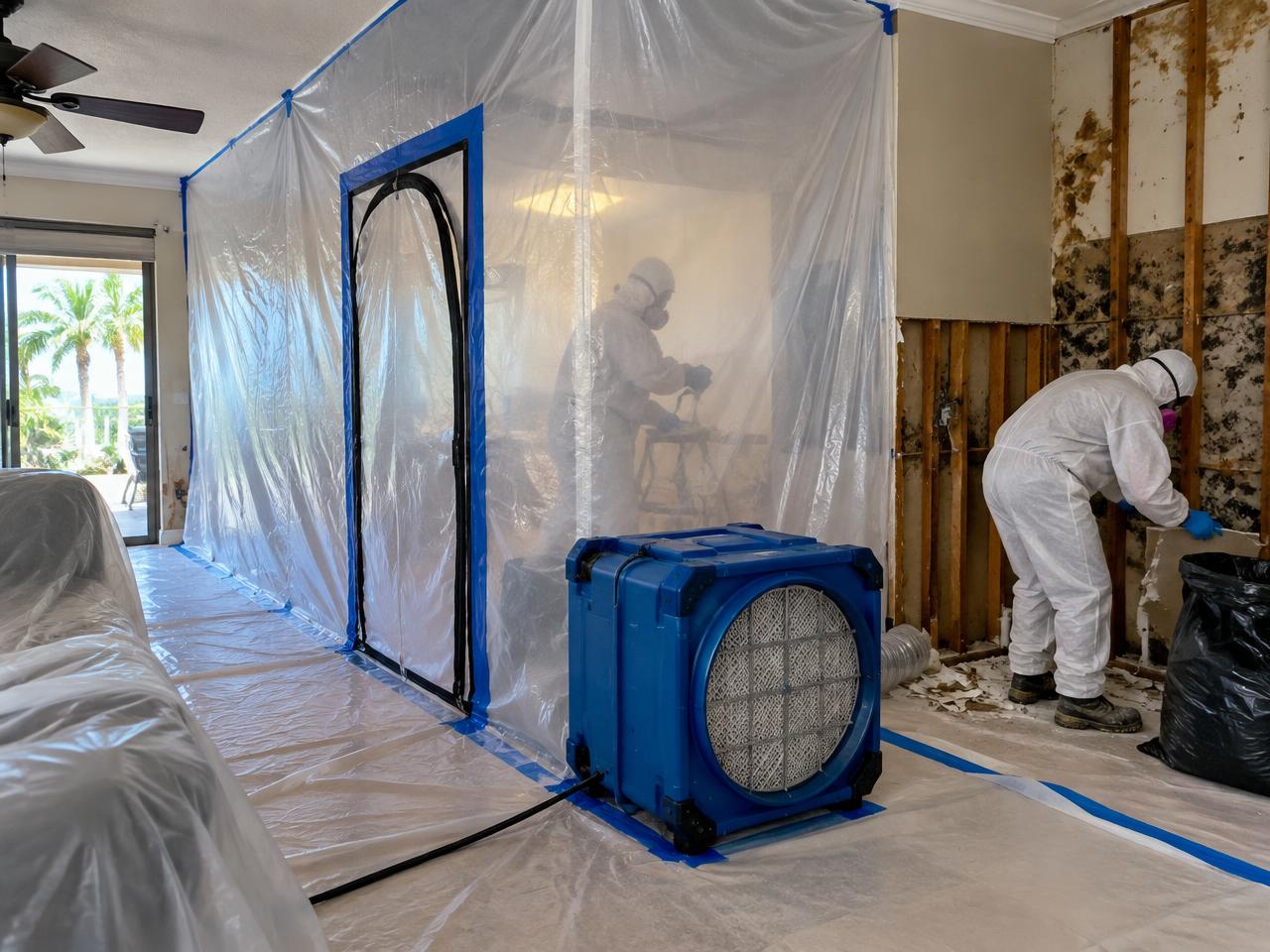
Protecting your property and keeping your living environment clean are top priorities for any homeowner. While routine cleaning handles everyday dust and grime, Florida's year-round humidity and heavy precipitation mean moisture threats can quietly develop out of plain sight.
Mold is among the most challenging issues to detect early because it frequently colonizes areas that are not part of your daily cleaning routine. Catching moisture problems before they spread helps avoid structural damage. Here are six unexpected hiding spots to monitor:
- Front-loading washing machines: Front-loading washers are efficient, but their rubber door gaskets trap water after every cycle. In humid coastal environments, keeping the door latched between loads creates a dark, damp incubator for mold. Wipe down the gasket and leave the door cracked open after running a cycle to allow air circulation.
- Refrigerator drip pans: Located beneath or behind the appliance, drip pans catch defrost condensation and kitchen spills. Because they sit close to warm compressor motors and remain hidden from view, mold can proliferate rapidly. Inspect and clean the drip pan and surrounding floor area at least twice a year.
- Chimneys and roof penetrations: While fireplaces are used infrequently in Florida, chimney flues, exterior flashing, and skylight seals endure intense solar heat followed by heavy tropical downpours. Deteriorated flashing or cracked chimney caps allow rainwater to seep into attic cavities and chimney masonry, fostering hidden colonies.
- Window sashes and sills: When hot, humid outdoor air meets interior glass chilled by constant air conditioning, condensation gathers along the sash and sill. Over time, standing condensation degrades paint and feeds mold spores on wood or drywall. Wipe down damp sashes promptly and check perimeter caulking for leaks.
- Stacked wet dishes and dark cabinets: Putting away dishes, cookware, or food storage containers while they are still slightly damp traps water inside dark, enclosed cabinetry. Always allow kitchenware to dry completely before stacking it inside cupboards.
- Air conditioning systems and air handlers: Florida HVAC units run nearly year-round, collecting airborne pollen, dander, and dust while pulling gallons of moisture out of the air. Clogged condensate drain lines, dirty evaporator coils, and damp plenum boxes represent prime locations for fungal growth. Regularly change filters, clear drain lines, and schedule routine HVAC maintenance.
If you notice persistent musty odors or discover suspect growth in hidden areas, professional evaluation provides clear answers. Ahold of Mold Environmental offers thorough mold testing, comprehensive healthy home assessments, licensed mold remediation, and rapid water damage restoration across Central and South Florida.