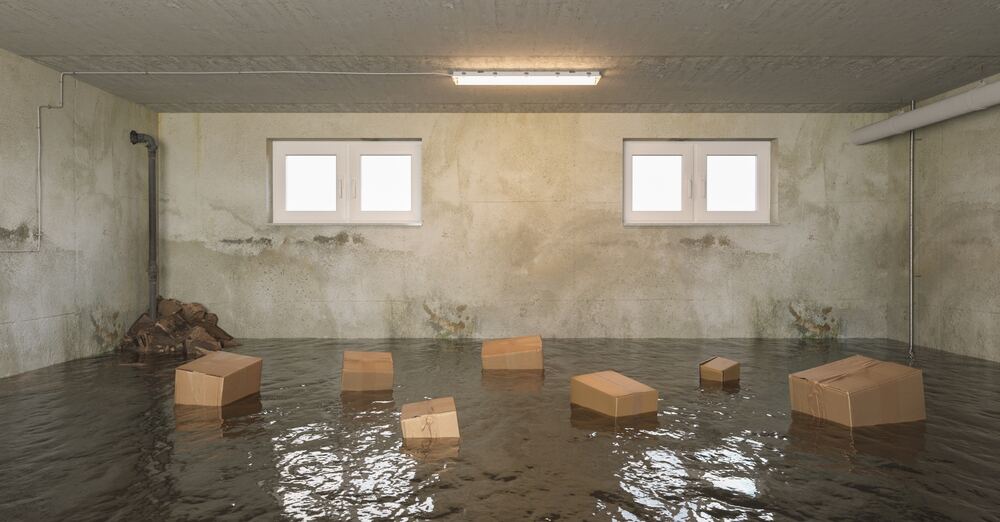
Water damage can happen in an instant from an AC condensation overflow, a burst supply line, or severe tropical weather. In Florida, the effects of water intrusion escalate rapidly. High ambient heat and humidity create ideal conditions for structural degradation and secondary mold growth. Time is critical when water damage occurs, and knowing exactly what steps to take can protect your home and personal property.
Step 1: Ensure Safety First
The first and most important step in any emergency is ensuring personal safety. Water damage presents severe hazards, including electrical shock risks and weakened building materials. Before attempting cleanup, observe these critical precautions:
Turn Off Electricity
If water reaches electrical outlets, appliances, or the main service panel, shut off the power at the main breaker immediately. If you cannot reach the electrical panel safely without walking through standing water, contact an electrician or your local utility provider. Never step into standing water that may be energized.
Evacuate if Structurally Unsound or Contaminated
In cases of severe intrusion, such as hurricane-driven storm surge or municipal sewer backups, evacuate the premises until certified professionals can evaluate the structure. Black water contains bacteria, agricultural runoff, and chemical hazards that should not be handled without specialized training.
Wear Personal Protective Equipment (PPE)
If entering affected areas to secure valuables, wear sturdy rubber boots, impermeable gloves, and an N95 respirator. Floodwaters and standing plumbing leaks can carry biological pathogens.
Step 2: Stop the Source of Water
Once occupants are safe, immediately stop any continuing flow of water:
Shut Off the Main Water Supply
For internal plumbing failures—such as a burst supply line or failed water heater—shut off the main water shutoff valve immediately. Every homeowner should know the location of their primary shutoff valve, typically located near the street water meter or where the main line enters the home.
Contain Storm Intrusion
If roof damage or failing window seals during a tropical storm are allowing rain into the structure, deploy tarps, towels, and catch basins to contain moisture and minimize the spread into adjoining rooms.
Step 3: Remove Standing Water Promptly
The longer moisture sits on floor systems and building materials, the deeper it wicks into subflooring, wall studs, and porous drywall.
Extract Surface Water
Use commercial-grade wet/dry vacuums for shallow pooling. For substantial flooding, submersible sump pumps are necessary to pump bulk water out of the living spaces. Professional restoration crews deploy truck-mounted extraction units to pull water from carpeting and pads efficiently.
Mop and Absorb Residual Moisture
After bulk extraction, use heavy towels and absorbent mops across hard-surface flooring like tile and laminate to limit moisture from penetrating grout lines and subfloor adhesives.
Step 4: Dry and Dehumidify the Structure
Extracting standing water is only the first phase. In Florida's humid climate, drying indoor materials requires closed, mechanical dehumidification rather than opening windows, which merely draws in humid outdoor air.
Maintain Closed Air Conditioning
Keep windows and exterior doors closed. Set your central air conditioning system to run continuously to assist in preliminary cooling and moisture reduction, ensuring the air filter remains clean.
Deploy Commercial Dehumidifiers and Air Movers
Standard household fans simply circulate moist air. Rapid structural drying requires industrial low-grain refrigerant (LGR) dehumidifiers and high-velocity air movers placed strategically along perimeter walls to pull bound moisture from drywall and wood framing.
Track Moisture Levels
Monitor relative humidity and material moisture content with penetrating moisture meters and thermal imaging cameras. Hidden pockets of moisture behind baseboards and under cabinets will stay wet without targeted intervention.
Step 5: Assess for Hidden Moisture and Mold Growth
Because mold can begin colonizing within 24 to 48 hours under warm, humid conditions, a detailed inspection is necessary once surfaces appear dry.
Check for Structural Deterioration
Inspect walls, ceiling assemblies, and flooring for delamination, bowing, or warping. Saturated drywall loses structural cohesion and must be cleanly cut away above the water line to allow the wall cavity to dry.
Schedule Independent Mold Testing
If musty odors develop or water migrated behind cabinetry and into wall cavities, professional mold testing provides accurate air sampling and moisture mapping to identify whether airborne fungal spores have spread through the living space.
Engage Licensed Remediation When Necessary
If microbial colonization is confirmed, professional mold remediation is required. Under Florida Chapter 468 Part XVI licensing rules, mold assessors and remediators operate under defined standards of practice to ensure containment, negative air pressure, and proper physical removal of contaminated materials.
Professional Restoration & Remediation in Florida
Unaddressed water damage leads directly to structural issues and extensive microbial growth. Ahold of Mold Environmental has provided licensed, family-owned environmental and restoration services since 1996. Holding Florida licenses as a Mold Assessor (MRSA3074) and Mold Remediator (MRSR4581), our team serves properties throughout Central Florida (Volusia, Flagler, and Brevard counties) and South Florida (Broward County and Fort Lauderdale).
If you are dealing with recent water damage or suspect hidden mold, contact Ahold of Mold Environmental today to secure your property and schedule an assessment.