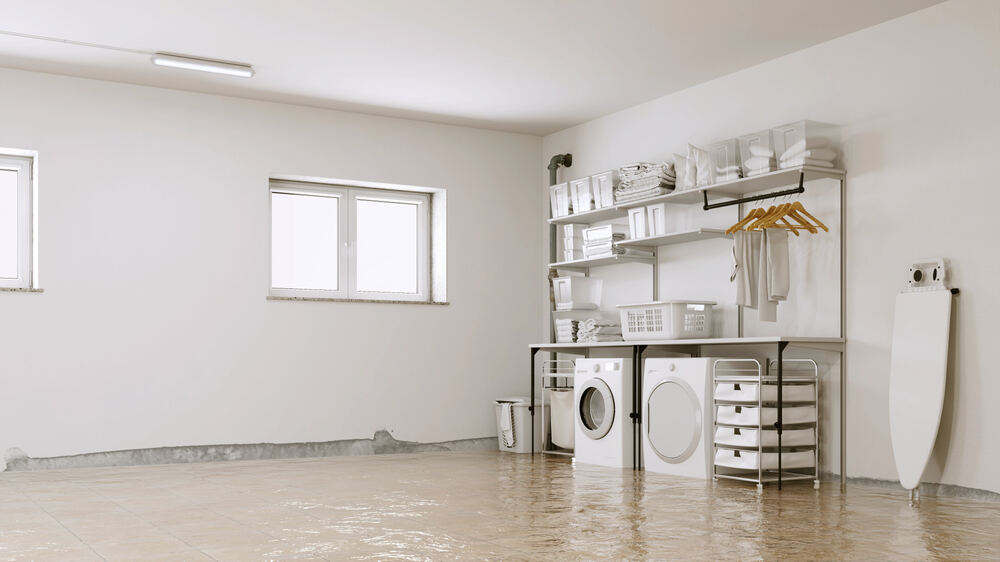
Water damage can quietly accumulate for weeks or months, causing structural deterioration and air quality concerns long before standing water is ever seen. While some forms of moisture are immediately obvious—such as storm flooding or a burst supply line—others remain concealed behind drywall, underneath floor underlayment, or inside air conditioning closets. In Florida's subtropical climate, recognizing the early signs of hidden moisture is essential for protecting your property and scheduling timely water damage restoration.
1. Unexplained Musty Odors
A persistent, damp odor is often the earliest indicator of concealed moisture. If you notice an earthy smell that lingers despite regular cleaning and air circulation, water may be collecting inside wall cavities, subfloors, or the attic insulation.
This odor is typically caused by microbial growth thriving in dark, damp pockets of the home. Given Florida's high baseline humidity, mold can develop rapidly once building materials absorb moisture. A persistent odor indicates that moisture is actively present and affecting your indoor air.
What to Do: If you notice an unexplained musty smell, schedule a mold inspection and moisture assessment. Licensed assessors use calibrated diagnostic tools to trace the moisture path back to its point of origin.
2. Discoloration and Stains on Walls or Ceilings
Staining on drywall or ceiling tiles is a classic symptom of an ongoing leak. These marks often present as yellow, ringed, or brownish discolored patches. You may also observe bubbling, peeling, or blistering paint as trapped moisture forces the coating away from the underlying drywall.
Even modest stains should not be overlooked. A small overhead spot can indicate a slow roof leak during the rainy season or an air handler condensation pan overflowing directly above the ceiling. Simply painting over the mark leaves the active leak intact, allowing rot and mold to continue unabated.
What to Do: Identify and eliminate the water source before making cosmetic repairs. Professional moisture mapping confirms whether framing members and insulation behind the drywall are completely dry.
3. Warping or Buckling of Floors and Baseboards
Building materials absorb ambient moisture, expanding as water saturates their cellular structure. If you notice floorboards cupping, vinyl plank flooring separating, or baseboards pulling away from the drywall, moisture is likely infiltrating the subfloor or slab below.
In slab-on-grade homes common throughout Florida, supply line pinhole leaks can push water up beneath flooring materials long before surface dampness is visible. Prolonged exposure can weaken subflooring, degrade adhesives, and compromise structural sub-assemblies.
What to Do: If floors feel spongy, swollen, or uneven underfoot, arrange for an evaluation promptly. Identifying moisture intrusion early prevents the need for extensive floor-system replacements.
4. Sudden Increase in Utility Bills
An unexpected spike in your monthly municipal water bill without an accompanying change in household usage often points to a concealed plumbing leak. Pinholes in pressurized water lines, faulty toilet shutoff valves, or leaks within wall cavities can discharge dozens of gallons daily without immediate visual notice.
Homeowners frequently do not realize a leak exists until they examine their water billing statement or notice localized dampness along perimeter walls.
What to Do: Check your water meter while all interior fixtures are turned off; if the leak indicator is spinning, active water movement is occurring. Pair plumbing repairs with professional moisture testing to verify that saturated framing is dried properly.
5. Visible Mold Growth Along Trim and Cabinetry
Because mold requires sustained moisture, organic material, and warmth to colonize, surface growth along baseboards, behind bathroom vanities, or in corners indicates elevated local moisture levels. Surface mold may appear as black, green, brown, or powdery white spotting.
When mold appears on the exterior of a wall surface, the interior cavity is frequently more saturated. In Florida homes, condensation issues from improperly insulated ductwork or slow plumbing seeps are frequent drivers of this hidden fungal growth.
What to Do: When mold covers an area greater than a minor surface issue, turn to licensed professionals for containment-guided mold remediation. This ensures spores are safely contained and building materials are returned to normal fungal ecology.
The Importance of Early Detection
Addressing water damage early saves property owners significant restoration expenses and prevents extensive demolition. Florida homeowners must remain particularly vigilant, as warm ambient temperatures can accelerate structural rot and indoor air quality degradation once a leak begins.
Routine inspection of plumbing connections, HVAC drain pans, and exterior caulking protects your property from the quiet deterioration that hidden leaks cause over time.
Why Choose Ahold of Mold Environmental
Ahold of Mold Environmental has delivered trusted indoor air quality, moisture investigation, and mold remediation services since 1996. As a family-owned Florida company holding state licenses for both Mold Assessment (MRSA3074) and Mold Remediation (MRSR4581), we adhere strictly to Florida Chapter 468 Part XVI licensing standards, maintaining an ethical separation between inspection and repair phases.
We serve residential and commercial clients across Central Florida (including Volusia, Flagler, and Brevard counties) and South Florida (including Broward County and Fort Lauderdale). Our certified technicians use advanced thermal imaging and calibrated moisture meters to diagnose problems accurately and provide lasting solutions.
Schedule an Assessment Today
If you observe any signs of hidden moisture or unexplained odors in your property, act before damage escalates. Contact Ahold of Mold Environmental today to schedule an assessment. In Central Florida, reach our team at (386) 492-1288; in South Florida, call (954) 281-2666.