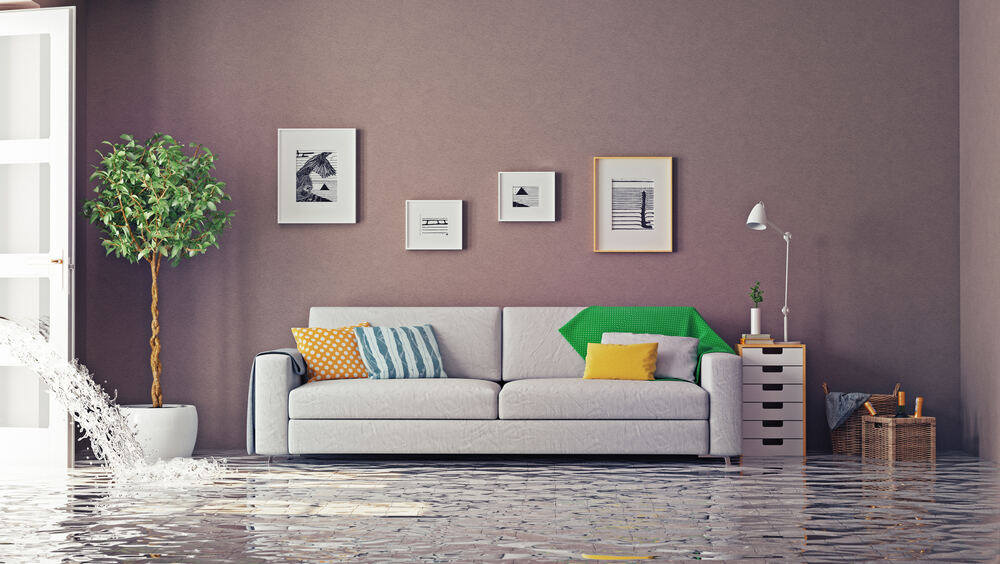
Water damage can disrupt business operations, destroy inventory, and lead to costly structural repairs. Commercial buildings in Florida face unique environmental pressures—from relentless humidity and tropical downpours to heavily taxed building systems. Identifying common vulnerabilities helps property managers prevent moisture intrusion and mitigate risks before needing emergency water damage restoration.
1. Plumbing Leaks
Plumbing failures are among the most frequent sources of commercial water intrusion. Worn supply lines, leaking commercial toilets, breakroom sinks, and hidden pipe joints can release water behind drywall and beneath flooring undetected. Over time, even modest seepage causes drywall rot and sets the stage for microbial growth.
2. Roof Leaks
Florida commercial flat roofs and membrane systems endure intense UV radiation and driving seasonal rains. Degraded flashing, ponding water, and damaged expansion joints allow rainwater to seep directly into ceiling plenums, insulation, and interior walls. Routine roof inspections are critical to identifying small punctures before rainstorms cause widespread interior damage.
3. Tropical Storms and Flash Flooding
During hurricane season and intense afternoon rain events, municipal storm systems can quickly become overwhelmed. Rising runoff and storm surge can penetrate ground-level doorways, loading docks, and exterior expansion joints, inundating commercial facilities with contaminated Category 3 black water.
4. Overburdened HVAC Systems
Commercial air handling units remove significant moisture from indoor air every day. When condensate drain lines clog with algae or pans crack, gallons of water can overflow into utility closets, ceiling assemblies, and occupied offices. Poorly maintained systems can also distribute elevated humidity that requires professional mold testing to assess.
5. Pipe Failures and Pressure Spikes
While freezing is uncommon in Florida, commercial pipes frequently burst due to excessive municipal pressure surges, mechanical vibration, or corrosion caused by coastal air and aging cast-iron or galvanized plumbing. A ruptured main can release hundreds of gallons of water per minute, flooding warehouses, retail floors, or office suites.
6. Inadequate Site Drainage
Poor grading, clogged catch basins, and malfunctioning retention areas allow stormwater to pool directly against foundation walls and slab perimeters. Hydrostatic pressure can force water through expansion joints, concrete micro-fissures, and masonry, damaging flooring systems and lower wall framing.
7. Commercial Appliance Malfunctions
Commercial water heaters, industrial dishwashers, ice machines, and water filtration equipment contain pressurized lines that degrade over time. Failed solenoid valves or deteriorated rubber supply hoses can release water continuously overnight or across weekends when buildings are unoccupied.
8. Fire Sprinkler System Failures
Fire suppression sprinkler systems are vital life-safety installations, but accidental impacts from forklifts, defective heads, or internal pipe corrosion can trigger massive water discharge. Routine flow testing and certified inspections help verify that piping remains intact and free of leaks.
9. Severe Weather and Wind-Driven Rain
High-velocity hurricane winds can force moisture through building envelope penetrations, window gaskets, louvers, and weep holes that remain water-tight during normal weather. Facilities in coastal regions, including Fort Lauderdale and Central Florida, must ensure building envelopes are properly sealed against wind-driven moisture.
10. Human Error and Operational Oversights
Simple mistakes—such as sinks left running in restrooms, blocked floor drains, or improper disposal of grease in commercial kitchens—frequently lead to sudden backups and overflows. Installing moisture sensors and training staff on utility shutoffs helps reduce damage caused by accidental overflows.
Proactive Water Damage Prevention for Facilities
Mitigating commercial water risks requires consistent preventative maintenance:
- Inspect plumbing lines and main shutoff valves quarterly.
- Service HVAC air handlers, clear drain lines, and inspect condensate pans monthly during peak cooling months.
- Maintain roof membranes, clear parapet scuppers, and inspect flashing before hurricane season.
- Install automated flow-monitoring sensors and water alarms in high-risk zones like server rooms and mechanical rooms.
- Keep an updated emergency response plan detailing shutoff locations and certified restoration contacts.
Professional Commercial Moisture and Mold Response
When unexpected water damage strikes your business, prompt extraction and controlled structural drying are essential to prevent structural rot and microbial contamination. If moisture has remained unaddressed and you suspect hidden growth, professional mold remediation may be required under Florida Chapter 468 regulations.
Ahold of Mold Environmental has provided licensed assessment and remediation services across Florida since 1996. For guidance regarding commercial moisture problems, structural drying oversight, or indoor air quality assessments, contact us today to speak with an experienced specialist.